

Significant Impact on Business Viability: Rising Interest Rates

The recent increase in interest rates has dealt another blow to the struggling pub industry, exacerbating its economic challenges. Rising rates have imposed additional financial burdens on pubs, already grappling with various issues such as high operating costs and labour shortages.

Rising interest rates can have a significant impact on the viability of businesses, both large and small. As interest rates increase, companies may face higher borrowing costs, which can affect their ability to invest in new projects, expand operations, or even maintain their current level of activity. Additionally, rising interest rates can lead to a decrease in consumer spending, as individuals may have less disposable income to spend on goods and services.

For small businesses in particular, rising interest rates can be particularly challenging. Many small businesses rely on loans and lines of credit to fund their operations, and higher borrowing costs can make it more difficult to access the capital they need to grow. This can be especially problematic for businesses that are already struggling to stay afloat, as higher interest rates can make it even more difficult to turn a profit.

Overall, it is important for businesses to be aware of the potential impact of rising interest rates on their operations. By staying informed and taking steps to mitigate the risks associated with higher borrowing costs, companies can position themselves for long-term success in an increasingly challenging economic environment.

The Impact of Rising Interest Rates on Business Viability

Understanding Interest Rates

Interest rates are the cost of borrowing money from a lender. When the interest rates are high, businesses have to pay more to borrow money, impacting their profitability. The interest rates are determined by the central bank of the country, which sets the base rate. The base rate is the interest rate at which the central bank lends money to commercial banks.

Effects of Rising Interest Rates on Business Viability

Rising interest rates can have a significant impact on the viability of a business. When interest rates rise, the cost of borrowing increases, which can lead to a decrease in investment and spending. This can cause a slowdown in economic growth and reduce the profitability of businesses. Rising interest rates can also increase the cost of servicing debt, which can lead to financial distress for businesses that have a high level of debt.

Factors That Determine Business Viability

Several factors determine the viability of a business, including the level of debt, cash flow, profitability, and market conditions. When interest rates rise, businesses with a high level of debt may struggle to service their debt, which can lead to financial distress. Cash flow is also important for businesses, as it determines their ability to meet their financial obligations. Rising interest rates can impact cash flow, as businesses may have to pay more to borrow money.

Profitability is another important factor that determines the viability of a business. When interest rates rise, the cost of borrowing increases, which can impact profitability. Businesses may have to reduce their investment and spending to maintain their profitability, which can impact their growth prospects. Market conditions also play a role in determining the viability of a business. Rising interest rates can impact consumer spending, which can impact the revenue of businesses.

Conclusion

The decision to raise interest rates has come at a particularly challenging time for pubs, as they continue to recover from the long-lasting impacts of the pandemic. The increased borrowing costs associated with higher interest rates put additional pressure on pub owners, many of whom are already dealing with reduced revenues and financial constraints.

The higher interest rates have implications for both existing loans and potential borrowing for pub businesses. It means increased costs for servicing existing debt and may deter some operators from seeking additional financing for necessary investments or expansion.

The pub industry has been advocating for more support and relief measures to mitigate the impacts of the ongoing challenges. Many believe that the timing of the interest rate hike could have been more considerate, given the fragile state of the hospitality sector and its efforts to regain stability.

However, it is important to note that interest rate adjustments are a tool used by central banks to manage broader economic factors. While the increase may have negative consequences for pubs, it is part of a larger economic strategy aimed at addressing inflation and maintaining overall financial stability.

Pub operators will need to carefully assess their financial strategies, including loan restructuring, cost management, and exploring alternative sources of funding. Adapting to the new interest rate environment may require innovative approaches to maintain profitability and navigate through economic challenges.

Despite the adverse effects of rising interest rates, the pub industry remains resilient and determined to overcome these obstacles. By focusing on operational efficiency, customer experience, and seeking available support mechanisms, pubs can work towards a sustainable future in an evolving economic landscape.

The Pubs Advisory Service can help your pub business to become more profitable. If you need help, then please get in contact with us today by clicking HERE.

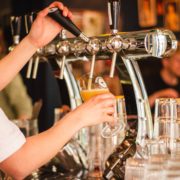
Coronation Bank Holiday Weekend: Rainfall affects trade as pubs pour 50.5 million pints

Over the recent Coronation Weekend, drinkers in the UK consumed 50.5 million pints of draught beer and cider, according to The Oxford Partnership. Although this was a significant increase of 5.7% compared to the Jubilee bank holiday last year, the wet weather was a damper on trade.

The British Beer and Pub Association (BBPA) had expected 62 million pints to be poured over the weekend, which would have seen a £120 million boost for UK pubs. However, the rain may have kept some people away from the pubs, leading to a potential loss of revenue for the industry.

Despite the less-than-ideal weather conditions, the increase in pints poured compared to the previous year is a positive sign for the UK pub industry, which has been hit hard by the coronavirus pandemic. As lockdown restrictions ease and more people are vaccinated, the hope is that the industry will continue to recover and thrive.

Overview of the Coronation Event

The coronation of King Charles III was a grand event that attracted a large number of people from across the United Kingdom. The ceremony took place on May 6, 2023, at Westminster Abbey in London. It was a historic occasion that marked the beginning of a new era for the country.

Attendance

The coronation was attended by a large number of people, including members of the royal family, politicians, and dignitaries from around the world. The ceremony was also broadcast live on television, allowing millions of people to witness the event from the comfort of their homes.

Pints Poured

According to reports, more than 50.5 million pints of beer were poured during the coronation weekend. However, the rainy weather put a damper on trade for some pubs and restaurants. Despite this, many businesses reported increased revenue during the event.

Revenue Generated

The coronation generated significant revenue for the hospitality industry, with many businesses reporting increased sales during the weekend. Hotels, restaurants, and pubs saw a surge in bookings and customers, as people flocked to London to witness the historic occasion. The event also provided a boost to the local economy, with many businesses benefiting from the influx of visitors.

Overall, the coronation of King Charles III was a grand event that brought people together from all over the world to celebrate the beginning of a new era for the United Kingdom. Despite the rainy weather, the event was a success, generating significant revenue for the hospitality industry and providing a boost to the local economy.

Impact of Rain on Trade

The Coronation Weekend saw a significant increase in the consumption of draught beer and cider across the UK, with 50.5 million pints poured despite the wet weather. However, the impact of rain on trade was not entirely positive, with vendors facing a range of challenges.

Effect on Sales

Not all pubs were able to capitalize on the holiday weekend. Some establishments faced difficulties due to intermittent rain showers and ongoing restrictions impacting capacity and social distancing requirements. These factors limited the number of customers pubs could accommodate and affected overall trade. The rain had a significant impact on sales for many vendors, particularly those operating outside. With people preferring to stay indoors, there was a reduction in footfall, leading to lower sales. The impact was felt most by small vendors who did not have the resources to set up indoor venues.

Challenges Faced by Vendors

Vendors had to face several challenges due to the rain. The first challenge was the need to keep the products dry. Many vendors had to invest in waterproof tents and covers to keep their products dry. However, this was not always possible, and some vendors had to face the risk of their products getting damaged due to the rain.

Another challenge faced by vendors was the need to maintain hygiene standards. With the rain, there was a higher risk of contamination, and vendors had to take extra precautions to ensure that their products were safe for consumption. This included investing in additional cleaning supplies and ensuring that their staff maintained strict hygiene protocols.

Finally, the rain also impacted vendors’ ability to transport their products. With the wet weather, roads and transport routes were often congested, leading to delays and higher transportation costs. This was particularly challenging for vendors who had to transport their products over long distances.

Outlook

The long-term outlook remains hopeful as the summer season approaches, and more people seek opportunities to socialize and enjoy hospitality experiences. Pubs are adapting their offerings to cater to changing consumer demands, including the continuation of outdoor seating options and the introduction of new events and promotions.

As the industry continues to navigate the recovery phase, pub operators remain committed to providing a safe and enjoyable environment for their customers. They are closely monitoring government guidelines and adjusting their operations accordingly to maximize trade while prioritizing the health and well-being of both customers and staff.

Overall, the Coronation Bank Holiday weekend brought a mixed bag of trade results for pubs, highlighting the ongoing challenges and opportunities that the industry faces in its path to recovery.

The Pubs Advisory Service can help your pub business to become more profitable. If you need help, then please get in contact with us today by clicking HERE.
Hospitality Rising and #RiseFastWorkYoung campaign increase appeal of working in hospitality sector

Hospitality Rising, a UK-based initiative, has helped boost the appeal of working in the hospitality industry by 14%. In the past year, the number of UK adults who consider hospitality an appealing industry to work in has increased from one in five to more than one in three. The initiative aims to fill the current jobs gap in the sector, which currently stands at around 400,000 vacancies.

The hospitality industry has been hit hard by the COVID-19 pandemic, with many businesses struggling to stay afloat. One of the biggest challenges facing the industry is a shortage of staff, with many workers leaving the sector during the pandemic. Hospitality Rising aims to address this issue by promoting the benefits of working in the sector and encouraging more people to consider a career in hospitality. The initiative has already reached nearly half of 18-30 year-olds in the UK, successfully boosting the appeal of working in the pub sector.

The Importance of Hospitality in the Pub Sector

The pub sector is an important part of the hospitality industry, providing a space for people to socialize, relax, and enjoy food and drinks. The success of a pub often depends on the quality of its hospitality, which can make or break a customer’s experience. In this section, we will explore the role of hospitality in the pub sector and the impact it has on customer experience.

The Role of Hospitality in the Pub Sector

Hospitality is a vital component of the pub sector. It involves creating a welcoming and friendly atmosphere, providing excellent customer service, and ensuring that customers feel valued and appreciated. This can include greeting customers as they enter the pub, taking their orders promptly, and ensuring that their food and drinks are served in a timely manner.

In addition to providing excellent service, hospitality also involves creating a comfortable and enjoyable environment for customers. This can include ensuring that the pub is clean and well-maintained, playing music that is appropriate for the atmosphere, and creating a welcoming and inviting decor.

The Impact of Hospitality on Customer Experience

The quality of hospitality in a pub can have a significant impact on the customer experience. Customers are more likely to return to a pub where they feel welcomed and appreciated, where the service is excellent, and where they can relax and enjoy themselves.

On the other hand, poor hospitality can lead to a negative customer experience, which can result in customers choosing to go elsewhere in the future. This can have a significant impact on the success of a pub, as repeat business is essential for long-term success.

In conclusion, hospitality is a crucial component of the pub sector, and it plays a significant role in creating a positive customer experience. By providing excellent service, creating a welcoming and comfortable environment, and ensuring that customers feel valued and appreciated, pubs can build a loyal customer base and ensure long-term success.

The Benefits of Hospitality Rising in the Pub Sector

Hospitality Rising has been successful in boosting the appeal of working in the hospitality industry, particularly in the pub sector. This initiative has brought many benefits to pub owners and operators, including increased appeal to job seekers, improved staff retention, and higher customer satisfaction.

Increased Appeal to Job Seekers

Hospitality Rising has helped to change the perception of the pub sector as a career choice. According to a recent study by Hospitality Rising in partnership with research consultancy KAM, 35% of UK adults now consider a career in hospitality, up from 20% just a year ago. This indicates that the initiative has been successful in making the pub sector more attractive to job seekers. The hospitality sector has shown the largest increase in the consideration to work in the industry compared to other sectors such as education, retail and construction. The success of the “Rise Fast, Work Young” campaign was attributed to the positive shift in perception, with 46% of the target demographic aged between 18 and 30 seeing and remembering the campaign, and 76% of that group saying it would encourage them to work in the sector. The results were also positive for older job seekers, with 75% of those aged between 31 and 40 saying the ads would encourage them to work in the industry. Founder of Hospitality Rising and campaign director, Mark McCulloch, emphasised the need for new talent in the industry and called on all operators to invest in the campaign’s second year, starting in September.

Improved Staff Retention

The hospitality industry is known for its high staff turnover rates, which can be costly for pub owners and operators. However, Hospitality Rising has helped to improve staff retention rates in the pub sector. By making the industry more appealing to job seekers, the initiative has helped to attract and retain skilled workers. This has led to a more stable workforce and improved productivity.

Higher Customer Satisfaction

Happy staff leads to happy customers. Hospitality Rising has helped to improve customer satisfaction levels in the pub sector by improving staff morale and engagement. When staff are happy and engaged, they are more likely to provide excellent customer service, which can lead to increased customer loyalty and repeat business.

In summary, Hospitality Rising has brought many benefits to the pub sector, including increased appeal to job seekers, improved staff retention, and higher customer satisfaction. This initiative has helped to change the perception of the industry and make it a more attractive career choice for many people.


The Pubs Advisory Service can help your pub business to become more profitable. If you need help, then please get in contact with us today by clicking HERE.



Fresh Rail Strikes Announced: Pub Sector Loses Hope

The UK pub sector is facing further disruption as fresh rail strikes have been announced, causing businesses to lose hope for a successful summer season. The strikes, organised by the train drivers’ union ASLEF, are in response to a rejected pay offer from 16 companies with whom it is in dispute. The most recent pay proposal was deemed “risible” and “not designed to be accepted” by ASLEF.

According to trade body UKHospitality, the rail strikes have already cost the UK hospitality sector £1.5bn in December alone. The sector is now facing a crucial summer season, and the announcement of further strikes is causing concern for businesses that have already been struggling due to the Covid-19 pandemic. The strikes are expected to cause significant disruption to the travel plans of customers, potentially leading to cancelled bookings and lost revenue for pubs and restaurants.

Pubs group Fuller, Smith & Turner has already reported a loss of £4m in sales due to the impact of ongoing rail strikes. The chain, which operates almost 400 pubs, has warned that it will miss its profit targets this year as a result. The situation is causing businesses to lose hope that the crucial summer season will be uninterrupted by disruption, despite hopes that pay offers would bring the rail strikes to an end.

The hospitality sector has voiced concerns over the impact of planned rail strikes by the ASLEF union in May and June 2023. The strikes are expected to disrupt travel plans for thousands of people, including tourists and business travellers, and could have a significant impact on the hospitality industry.

Industry groups have called on the government and unions to work together to find a solution that minimises the impact on businesses and consumers. They have also urged the government to provide support for affected businesses, including financial assistance and support for alternative transport options.

Some businesses have already reported cancellations and reduced bookings as a result of the planned strikes. The timing of the strikes, which coincide with peak tourism season, is likely to exacerbate the impact on the hospitality sector, which is already facing a range of challenges, including rising costs and labour shortages.

The ASLEF union has defended the strikes, citing concerns over pay and working conditions for train drivers. However, some have criticised the timing of the strikes, arguing that they will do little to resolve the underlying issues and will only serve to harm businesses and consumers.

As the date of the strikes approaches, businesses in the hospitality sector will be closely monitoring the situation and working to minimise the impact on their operations. Many are calling on the government to take action to prevent future strikes and to provide support for affected businesses in the event that they do occur.

The Pubs Advisory Service can help your pub business to become more profitable. If you need help, then please get in contact with us today by clicking HERE.

Fake Review Ban: Delivering Fairness to Online Consumers

A new bill aimed at banning fake reviews is set to come into force in the United Kingdom, aimed at delivering fairness for both hospitality venues and their customers. According to a recent report, fake reviews have been a major problem for businesses, as they can cause irreparable damage, offer consumers a misleading view of a business, and devalue the efforts of honest customers leaving genuine feedback.

The new legislation will make it illegal for companies to include standardized provisions that threaten or penalize people for posting honest reviews. For example, in an online transaction, it would be illegal for a company to include a provision in its terms and conditions that prohibits or punishes negative reviews by customers. The legislation is expected to provide much-needed protection for businesses and consumers alike.

The move comes as part of a wider crackdown on fake reviews and other deceptive or unfair review and endorsement practices. The Federal Trade Commission in the United States has also been exploring potential rulemaking to combat these practices, such as using fake reviews, suppressing negative reviews, and paying for positive reviews.

Understanding Fake Reviews

Fake reviews are reviews that are not genuine or honest. They are reviews that are created with the intention of misleading others. Fake reviews can be created by businesses or individuals who have a vested interest in promoting a product or service. They can also be created by competitors who want to damage the reputation of a business.

What are Fake Reviews?

Fake reviews are reviews that are not written by genuine customers. They can be created by businesses, individuals, or even bots. Fake reviews can be positive or negative, but they are always intended to manipulate the perception of a product or service.

Some common types of fake reviews include:

  • Fake positive reviews: These are reviews that are created to make a product or service appear better than it actually is.
  • Fake negative reviews: These are reviews that are created to make a product or service appear worse than it actually is.
  • Paid reviews: These are reviews that are created by individuals who have been paid to write them.
  • Review swaps: These are reviews that are created when two businesses agree to write positive reviews for each other.
  • Robo reviews: These are reviews that are created by bots.

How do Fake Reviews Affect Businesses?

Fake reviews can have a significant impact on businesses. Positive fake reviews can make a product or service appear better than it actually is, which can lead to increased sales. Negative fake reviews can damage the reputation of a business, which can lead to decreased sales.

Businesses that are found to be using fake reviews can face severe consequences. They can be fined, sued, or even shut down. In addition to legal consequences, businesses that are found to be using fake reviews can also suffer from a damaged reputation.

Why are Fake Reviews a Problem?

Fake reviews are a problem because they can mislead consumers. When consumers rely on reviews to make purchasing decisions, they expect those reviews to be genuine and honest. When fake reviews are used to manipulate the perception of a product or service, consumers can be misled into purchasing decisions they would not have made otherwise.

Fake reviews can also have a negative impact on genuine businesses. When fake reviews are used to make a business appear better or worse than it actually is, it can create an unfair advantage or disadvantage for that business. This can lead to genuine businesses losing out on customers or revenue.

New regulations

New regulations banning fake reviews are set to come into effect soon, following concerns about the impact of false or misleading reviews on businesses and consumers. The move has been welcomed by industry groups, who have called for greater transparency and accountability in online reviews.

Under the new rules, businesses will be prohibited from posting fake reviews or manipulating reviews in any way. Review platforms will also be required to take steps to ensure that reviews are genuine and unbiased, and to remove any fake or misleading content promptly.

The regulations will apply to all businesses, including pubs, restaurants, and other hospitality businesses that rely on online reviews to attract customers. They are part of a wider effort to improve trust and transparency in the digital marketplace and to protect consumers from fraudulent or deceptive practices.

However, some have raised concerns about the practicalities of enforcing the new regulations, particularly given the global nature of the internet and the difficulty of policing reviews posted from overseas. There are also concerns about the potential impact of the new rules on small businesses, who may struggle to compete with larger companies with more resources to invest in online marketing and reputation management.

Despite these challenges, there is broad agreement that action is needed to tackle the problem of fake reviews and to protect businesses and consumers from the harmful effects of online fraud and deception. The new regulations are an important step towards achieving this goal and are likely to be welcomed by businesses and consumers alike.

The Pubs Advisory Service can help your pub business to become more profitable. If you need help, then please get in contact with us today by clicking HERE.
 

New Gov Support Offers 20% Energy Bill Savings to Eligible Firms

The UK government has announced new support that could help energy-intensive businesses save up to 20% on their energy bills. The Energy Bill Discount Scheme (EBDS) is designed to offer support to those who are most affected by the predicted rise in wholesale energy prices. This includes breweries, which are among the businesses that could benefit from the scheme.

Applications for the scheme are open now, and businesses can apply for support through their energy supplier. The scheme is part of the government’s efforts to help businesses reduce their energy costs and become more energy-efficient. By reducing energy bills, businesses can free up funds to invest in their operations, which could help to boost growth and create jobs.

Overview of the New Government Support

The UK Government has recently announced a new support scheme, the Energy Bill Discount Scheme (EBDS), aimed at helping energy-intensive businesses, including breweries, save up to 20% on their energy bills. The scheme is designed to provide relief to those most affected by the rise in global energy prices. Applications for the support are open now and businesses are encouraged to apply as soon as possible to take advantage of the scheme.

The EBDS is part of the government’s wider efforts to support businesses during these challenging times, particularly as the COVID-19 pandemic continues to impact the economy. The scheme is expected to provide much-needed relief to businesses that are struggling to cope with the rising costs of energy.

Under the EBDS, eligible businesses can apply for a discount on their predicted wholesale energy prices. The discount will be calculated based on the amount of energy used and the business’s level of exposure to energy costs. The scheme is expected to benefit a range of businesses, including those in the manufacturing, agriculture, and hospitality sectors.

Businesses interested in applying for the scheme are encouraged to visit the government’s website for more information. The application process is straightforward and can be completed online. Successful applicants will receive a discount on their energy bills for a period of up to three years, providing much-needed stability and certainty during these challenging times.

Qualification for the Energy Bill Savings

The recent announcement by the government regarding support for energy bill savings has been welcomed by many firms. However, not all firms are eligible for this support. In this section, we will discuss the qualification criteria for firms looking to benefit from this scheme.

Eligible Firms

The scheme is open to all firms, including small and medium-sized enterprises (SMEs), that meet the required criteria. The government has set aside a fund to support eligible firms, and the savings could be up to 20% on energy bills.

Firms that are eligible for this scheme include those that:

  • Operate in the UK
  • Have an annual energy bill of over £10,000
  • Have fewer than 250 employees
  • Are not in the public sector

Required Criteria

Firms that meet the eligibility criteria will also need to meet the following requirements to qualify for energy bill savings:

  • Conduct an energy audit to identify areas where energy savings can be made
  • Implement energy-saving measures recommended by the audit
  • Provide evidence of energy savings achieved

The energy audit will be conducted by a qualified energy assessor who will identify areas where energy savings can be made. The assessor will provide a report with recommendations for energy-saving measures that should be implemented.

Firms will then need to implement the recommended measures and provide evidence of the energy savings achieved. This evidence will be used to calculate the savings that the firm is eligible for.

If you need help increasing the profitability of your pub business, then please get in contact with us today by clicking HERE.

Pubs at risk of closure without VAT reduction

UK pubs are struggling to stay afloat due to rising costs and declining sales. A recent poll conducted by The Morning Advertiser revealed that more than two-fifths of operators stated a VAT reduction would help the sector avoid further closures. Of the 143 respondents, 44% would find a reduction to VAT most beneficial for their pub.

The rising cost of draught beer is one of the major factors contributing to the struggles of pubs. According to data from the Office for National Statistics (ONS), draught beer prices soared by 11.9% in the year to March 2023, more than double the previous record-high yearly increase. The cost of a pint of draught lager rose by 48p, from £4.02 in March. This puts a significant financial strain on pubs, which rely heavily on beer sales for their revenue.

In response to the crisis, pub owners are calling on the government to reduce VAT. The VAT cut, which was introduced in 2020 to help the hospitality industry during the pandemic, was due to end in March 2021 but has been extended several times. The Chancellor, Rishi Sunak, has recently announced that the VAT cut will be extended for the hospitality and tourism sectors until the end of September 2023. However, many pub owners believe that a permanent reduction in VAT is necessary to ensure the survival of the industry.

Current State of Pubs

Pubs in the UK have been struggling to survive due to several factors, including rising costs, competition from supermarkets, and the impact of COVID-19. According to a snap poll conducted by The Morning Advertiser, more than two-fifths of operators stated that a VAT reduction would help the sector avoid further closures.

Impact of COVID-19 on Pubs

The COVID-19 pandemic has had a significant impact on the pub industry. During the pandemic, pubs were closed outright, and the state intervened with emergency funds. However, as restrictions have eased, many pubs have struggled to recover.

According to a report by The Guardian, more than 70% of pubs do not expect to survive the winter due to soaring energy costs. Brewers and pub operators have asked the government to step in to prevent further damage, with reductions in VAT and business rates, caps on energy prices for small businesses, and grants for.

Furthermore, the pandemic has changed consumer behaviour, with many people choosing to drink at home rather than going out to pubs. This has led to increased competition from supermarkets, which can offer lower prices due to lower overheads.

Overall, the pub industry is facing significant challenges, and many operators are calling for government intervention to help them survive.

The VAT Issue

VAT Rates for Pubs vs Other Hospitality Businesses

Pubs in the UK are subject to a 20% VAT rate on all food and drink sales, which is the same rate as other hospitality businesses such as restaurants, cafes, and hotels. However, unlike these businesses, pubs do not benefit from a reduced VAT rate for accommodation and attractions. In 2020, the UK government introduced a six-month cut in VAT from 20% to 5% for food and drink sold in pubs and restaurants, which was later extended until September 2021. However, the VAT rate will increase to 12.5% after that, which is still below the normal rate of 20%.

Effects of High VAT on Pubs

More than two fifths of pub operators stated that a VAT reduction would help the sector avoid further closures. A snap poll conducted by The Morning Advertiser revealed that of the 143 respondents, 44% would find a reduction to VAT most beneficial for their pub. The high VAT rate has been cited as a major factor in the closure of many pubs in recent years. According to a report by the Cut Tourism VAT Campaign, a reduction in VAT to 5% for accommodation and attractions would create 120,000 jobs and add £4.6bn to the UK economy over 10 years. Pubs are also facing rising costs due to the COVID-19 pandemic, including increased cleaning and safety measures, reduced capacity, and a decrease in footfall. A reduction in VAT would provide much-needed relief for struggling pubs and help them to stay afloat during these challenging times.

Rising costs

As rising costs continue to put pressure on the hospitality industry, pubs are looking to the government for support through legislation. The British Beer and Pub Association (BBPA) has called for a range of measures to be introduced to help pubs survive in the face of these challenges.

One of the key areas of concern for pubs is the rising cost of energy, which has been a significant burden on businesses in the sector. The BBPA has called for measures to be introduced to reduce the cost of energy for businesses, including the introduction of a cap on energy prices.

Another area of concern for pubs is the cost of business rates, which can be a significant burden on smaller businesses in particular. The BBPA has called for a reduction in business rates for pubs, as well as the introduction of a relief scheme to help businesses cope with the costs of rate increases.

The BBPA has also called for measures to be introduced to support pubs in recruiting and retaining staff, including the introduction of a training and development programme for pub staff.

The calls for government support come as the hospitality industry continues to face significant challenges, with rising costs and a shortage of staff putting pressure on businesses across the sector. It is clear that urgent action is needed to support pubs and other businesses in the sector, and the government must take action to ensure their survival and continued success.

If you need help increasing the profitability of your pub business, then please get in contact with us today by clicking HERE.

BBPA warns Ofgem’s slow action is endangering UK businesses

The British Beer and Pub Association (BBPA) has issued a warning over the slow action of Ofgem, the UK energy regulator, which it claims is putting businesses in the sector at risk. The BBPA has called for faster action to address the issue of rising energy prices, which have been a significant burden on the hospitality industry.

The BBPA has claimed that Ofgem’s response to the situation has been slow and insufficient, with many businesses in the sector struggling to cope with the high costs of energy. The association has called for urgent action to be taken to address the issue, and has warned that failure to do so could put many businesses at risk of closure.

The BBPA has also called on the government to take action to support businesses in the hospitality sector, including measures to reduce the burden of business rates and other costs. The association has argued that the sector is a vital part of the UK economy, and that urgent action is needed to ensure its survival and growth.

The warning from the BBPA highlights the ongoing challenges faced by businesses in the hospitality sector, and the urgent need for action to be taken to support them. The rising cost of energy is just one of the many challenges faced by businesses in the sector, and it is clear that urgent action is needed to ensure their survival and continued success.

The Pubs Advisory Service works in conjunction with many businesses to increase their profitability and to help them resolve disputes. If you would like help with your pub business, then please contact us by clicking HERE.

Agreement date reminder tool

We find that many people struggle to track key events in their pub business, some of which are many months (if not years away) and can be easily forgotten in the intervening period.
To help business owners we have designed a new free-to-use date reminder that you can configure for key events such as lease end, rent reviews etc.
To access the tool simply go to our “resources” tab on the menu and click the top option called “agreement date reminders” and fill out the fields. You will receive a reminder once there are 183 days left until your event date.
See our short overview video below.
The Pubs Advisory Service works in conjunction with many businesses to increase their profitability and to help them resolve disputes. If you would like help with your pub business, then please contact us by clicking HERE.

Star Pubs & Bars to pay £1.25m settlement for breaching Pubs Code

Star Pubs & Bars, a UK pub operator, has settled its long-running legal battle with the Pubs Code Adjudicator (PCA). The dispute had centered around allegations that Star Pubs & Bars had breached the Pubs Code, which was introduced to protect the rights of pub tenants.

Under the Pubs Code, pub tenants have the right to request a market rent only (MRO) tenancy, which allows them to buy beer and other supplies on the open market rather than being tied to the pub-owning business’s supply chain. The dispute with Star Pubs & Bars related to allegations that the company had failed to provide tenants with the information they needed to make a valid MRO request.

The legal battle has been ongoing for several years, with both sides arguing their case in court. However, it has now been announced that a settlement has been reached, which will see Star Pubs & Bars pay a financial penalty for breaching the Pubs Code.

The settlement has been welcomed by the PCA, who have stated that it sends a clear message to pub-owning businesses that they must comply with the Pubs Code and protect the rights of their tenants. The settlement is also seen as a positive development for pub tenants, who will be reassured that their rights are being taken seriously by the authorities.

The settlement is a reminder of the importance of the Pubs Code in protecting the interests of pub tenants, and the need for pub-owning businesses to comply with its provisions. While the legal battle has been a lengthy and costly one, the settlement is seen as a positive step forward for the UK pub industry.

If you need expert help with the pub’s code, exercising your rights, or wish to raise a code dispute with your landlord please contact us here.