

Food service inflation surges to over 20%: Experts predict further price hikes

The foodservice industry is grappling with another surge in inflation, as prices for essential ingredients and supplies soar beyond the 20% mark. This recent spike in food service inflation poses significant challenges for businesses, putting pressure on their margins and ultimately impacting consumers. According to the new edition of the CGA Prestige Foodservice Price Index, year-on-year inflation in food service prices has risen unexpectedly to 21.4% in April 2023. This marks a significant increase from the previous month when inflation dipped below 20% for the first time since mid-2022. The rebound in April underlines the severe cost pressures facing businesses, particularly in the foodservice industry.

Price increases had begun to slow in the first quarter of 2023, but this trend has now been reversed, with inflation surging past the 20% mark. The CGA Prestige Foodservice Price Index has continued its strong upward trend, with a tenth consecutive month of double-digit inflation. This is the first time in the history of the Index that inflation has exceeded 20%.

The rise in foodservice prices is likely to have a significant impact on businesses in the industry, as well as consumers. It is expected that businesses will need to pass on some of the increased costs to consumers, which could lead to higher prices for food and drink items in restaurants, cafes, and other food service establishments. The reasons behind the increase in inflation are complex, but it is likely that a combination of factors, including rising commodity prices, supply chain disruptions, and labour shortages, are contributing to the trend.

Overview of Foodservice Inflation

Inflation is a term that describes the rate at which prices for goods and services increase over time. In the foodservice industry, inflation can have a significant impact on the cost of ingredients, labour, and other expenses associated with running a restaurant or catering business. In April 2023, year-on-year inflation in foodservice prices rose unexpectedly to 21.4%, according to the CGA Prestige Foodservice Price Index.

Definition of Foodservice Inflation

Foodservice inflation refers to the increase in prices of goods and services related to the foodservice industry. This includes the cost of ingredients, labour, equipment, utilities, and other expenses associated with running a restaurant or catering business. Inflation can be caused by a variety of factors, including changes in supply and demand, fluctuations in the economy, and shifts in government policies.

Factors Contributing to Foodservice Inflation

There are several factors that contribute to foodservice inflation such as rising commodity prices, supply chain disruptions, and increased transportation costs have contributed to a sharp inflationary trend. The industry, including restaurants, cafes, and catering services, now faces the daunting task of managing these cost increases while maintaining quality and value for their customers.

One of the primary drivers is the cost of ingredients. The price of food commodities can be affected by a range of factors, including weather patterns, natural disasters, and changes in global supply and demand. In addition, the cost of labour can also impact foodservice inflation. As wages increase, businesses may need to raise prices to cover the additional costs.

Other factors that can contribute to food service inflation include changes in energy prices, transportation costs, and government regulations. For example, increases in fuel prices can drive up the cost of transporting goods, while changes in regulations related to food safety or labour practices can also impact the cost of doing business in the food service industry.

Now what?

Amid these challenges, businesses are exploring various strategies to mitigate the impact of foodservice inflation. These include negotiating with suppliers for better pricing, optimizing operational efficiencies, and exploring innovative menu offerings that strike a balance between cost and quality.

Industry associations and trade bodies are also actively engaging with policymakers to raise awareness of the challenges faced by the sector. They are advocating for support measures such as tax relief, government subsidies, and initiatives to bolster the resilience of the foodservice industry.

As the industry grapples with this renewed surge in foodservice inflation, collaboration and innovation become crucial to finding sustainable solutions. Businesses must adapt and navigate these challenging times by exploring new sourcing options, implementing efficient cost management practices, and focusing on delivering value to their customers.

Furthermore, consumers play an essential role in supporting the industry during these challenging times. Understanding the cost pressures faced by businesses, they can continue to patronize their favourite establishments and be mindful of the value provided by the foodservice sector.

While the current surge in foodservice inflation poses significant hurdles, the industry has shown resilience in the face of adversity. By implementing proactive measures, embracing innovation, and fostering strong partnerships across the supply chain, the foodservice sector can navigate these turbulent times and emerge stronger in the long run.

In conclusion, foodservice inflation has jumped back above 20%, posing significant challenges for businesses in the industry. Rising costs of ingredients and supplies are squeezing profit margins and impacting consumers. Businesses are adapting through various strategies, and industry associations are advocating for support measures. Collaboration, innovation, and consumer support will be instrumental in overcoming these inflationary pressures and ensuring the long-term viability of the foodservice sector.

The Pubs Advisory Service can help your pub business to become more profitable. If you need help, then please get in contact with us today by clicking HERE.

Deposit Return Scheme Postponed Until October 2025

The implementation of the highly debated deposit return scheme in the UK has faced a setback, with the government announcing a delay until October 2025. The scheme, which aims to reduce plastic waste and promote recycling, has been met with mixed reactions and concerns from various stakeholders. The Scottish government has delayed the introduction of its deposit return scheme, citing the UK government’s refusal to agree to a full exclusion from the Internal Market Act. The scheme, which was due to be launched in March 2022, aims to reduce plastic waste and increase recycling rates by requiring customers to pay a small deposit on drinks containers that can be refunded when they are returned for recycling.

The delay has been met with disappointment from environmental campaigners, who argue that the scheme is urgently needed to address the growing problem of plastic pollution. The Scottish government has defended its decision, claiming that it needs more time to work out the details of the scheme and ensure that it is implemented effectively. Critics have expressed concerns over potential operational challenges and the impact on businesses, particularly small retailers and hospitality establishments. Issues such as logistics, storage space, and additional costs associated with the scheme have raised legitimate concerns, prompting calls for further analysis and adjustments to ensure a smooth and equitable implementation.

Reasons for Delay

The deposit return scheme (DRS) in Scotland has been delayed until October 2025 at the earliest. The delay has been met with disappointment from environmental groups and industry leaders. The following are the reasons for the delay:

Environmental Concerns

One of the main reasons for the delay in the deposit return scheme is the environmental concerns surrounding the scheme. The Scottish government has stated that it wants to ensure that the DRS is as effective as possible in reducing waste and increasing recycling rates. The government is concerned that the scheme may not be as effective as it could be if it is rushed into implementation. The delay will allow the government to take the time to ensure that the scheme is as effective as possible in reducing waste and increasing recycling rates.

Industry Challenges

Another reason for the delay is the challenges faced by the industry. The Scottish government has stated that it wants to ensure that the DRS is workable and practical for businesses. The government is concerned that the scheme may place an undue burden on businesses if it is rushed into implementation. The delay will allow the government to work with businesses to ensure that the scheme is workable and practical for them.

The delay has been met with mixed reactions. Environmental groups have expressed disappointment at the delay, stating that it will lead to further damage to the environment. Industry leaders have welcomed the delay, stating that it will allow them to work with the government to ensure that the scheme is workable and practical for businesses.

Impact on Consumers

The delay of the deposit return scheme in Scotland until October 2025 will have a significant impact on consumers. The scheme was designed to encourage recycling and reduce waste by requiring a deposit to be paid on single-use drinks containers, which would be refunded when the container is returned for recycling.

Consumers who were looking forward to participating in the scheme will now have to wait several more years before they can benefit from it. This delay may discourage some consumers from recycling, as they may feel that their efforts are not making a difference.

Furthermore, the delay may also have financial implications for consumers. Many people were looking forward to receiving refunds for their recycled containers, which could have helped to offset the cost of purchasing drinks. The delay means that consumers will have to wait longer before they can receive these refunds.

The delay may also impact the environment. Without the deposit return scheme, more single-use drinks containers are likely to end up in landfills or littering the environment. This could have negative consequences for wildlife and the ecosystem.

In conclusion, the delay of the deposit return scheme in Scotland until October 2025 will have a significant impact on consumers. It may discourage some from recycling, have financial implications for others, and harm the environment. It remains to be seen whether the delay will be worth the wait for consumers and the environment.

The Pubs Advisory Service can help your pub business to become more profitable. If you need help, then please get in contact with us today by clicking HERE.

Cider Sales Soar as Warm Weather Boosts Pub Trade

The recent surge in warm weather across the UK has provided a much-needed boost to the pub industry, with cider sales experiencing a notable increase. As temperatures rise, customers are flocking to pubs and embracing refreshing beverages, positively impacting trade according to recent reports. The combination of sunny days and relaxed social restrictions has created an ideal environment for people to enjoy outdoor settings and indulge in their favourite drinks. Cider, with its crisp and fruity flavours, has become a popular choice among patrons seeking a refreshing and thirst-quenching option.

The Drinks Recovery Tracker from CGA by NIQ revealed that drinks sales in Britain’s managed pubs and bars during the seven days to Saturday 27 May finished 2% ahead of the same week in 2022, thanks to surging cider sales and warm weather. This marks the fifth successive week of year-on-year growth for on-trade drinks transactions.

The latest figures reflect a solid May for operators and suppliers in the UK’s hospitality industry, despite the ongoing challenges posed by the pandemic. Beer and cider sales performed particularly well, with beer up 10% and cider up 15% last week. Soft drinks and wine sales were also ahead, while spirits sales lagged behind last year by 5%. The strong performance of cider sales and the wider drinks market is a welcome boost for the industry, which has faced numerous challenges in recent years.

Cider Sales and Warm Weather

Cider Sales on the Rise

The latest Drinks Recovery Tracker from CGA by NIQ revealed that cider sales in Britain’s managed pubs and bars during the seven days to Saturday 27 May finished 22% higher than the same week in 2022. The surge in cider sales can be attributed to the warmer weather, which always benefits the category. The increase in cider sales contributed to the fifth successive week of year-on-year growth for on-trade drinks transactions.

In addition to cider sales, beer and soft drinks also recorded solid growth, up 5% and 3%, respectively. However, wine and spirits were weaker, with wine up just 0.2% and spirits down 11%.

Warm Weather Boosts Pub Trade

The warm weather has been a significant factor in boosting on-trade drinks transactions in Britain’s managed pubs and bars. According to the Drinks Recovery Tracker, trading in the week to last Saturday, 27th May, finished 2% higher than the same week in 2022, down slightly from 5% in the previous week, but still a solid May for operators and suppliers.

Seasonality plays a key role in on-trade cider sales, with warmer weather and beer gardens activating the nation’s sweet tooth year after year. The government-backed Eat Out to Help Out scheme in tandem with one of the hottest summers on record boosted the cider category in 2020. In 2023, the warm weather has once again played a significant role in driving cider sales and boosting pub trade.

In conclusion, cider sales have been on the rise in Britain’s managed pubs and bars, with the warmer weather contributing to the surge in sales. The increase in cider sales, along with solid growth in beer and soft drinks, has led to the fifth successive week of year-on-year growth for on-trade drinks transactions.

Pub Trade Benefits

Increased Revenue

The warm weather and increased cider sales have had a positive impact on the pub trade, leading to increased revenue. According to the Drinks Recovery Tracker, cider sales have increased by 22% in May 2023, which is attributed to the warmer weather. This increase in sales has led to a boost in revenue for pub owners, helping to offset the losses incurred during the pandemic. The boost in cider sales not only benefits pubs but also supports local and regional cider producers. As consumer demand increases, pubs can collaborate with local cider makers, showcasing their products and promoting the vibrant cider industry in the UK.

Higher Footfall

The increase in cider sales and warm weather has also led to higher footfall in pubs. As more people head out to enjoy the sunshine, pubs are seeing an increase in customers. This increase in footfall is not limited to just those looking for a refreshing cider, but also to those looking for other drinks and food options.

Customer Satisfaction

The boost in revenue and higher footfall are also leading to increased customer satisfaction. With more customers coming through the doors, pub owners are able to provide better service and a more enjoyable experience for their customers. This increase in customer satisfaction is reflected in the positive reviews and feedback that pubs are receiving.

In conclusion, the recent surge in cider sales, coupled with warm weather, has breathed new life into the pub industry. Pubs that embrace this trend and offer a diverse range of refreshing cider options stand to benefit from increased footfall and customer satisfaction. As the summer unfolds, it’s an exciting time for both pub owners and cider enthusiasts alike.

The Pubs Advisory Service can help your pub business to become more profitable. If you need help, then please get in contact with us today by clicking HERE.
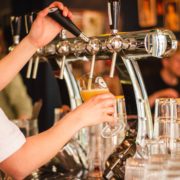
UK Pubs and Restaurants Call for Government Intervention as Energy Bills Skyrocket by 81%

Pubs and restaurants across the UK are voicing their concerns and appealing to the government for urgent action as energy costs continue to surge. Recent reports reveal that these establishments have experienced an alarming 81% increase in their energy bills, putting significant strain on their operations and financial stability.

The hospitality industry, already grappling with various challenges due to the pandemic, now faces the additional burden of skyrocketing energy prices. Pub and restaurant owners argue that the steep rise in energy costs is unsustainable and threatens the viability of their businesses.

Representative bodies such as the British Beer and Pub Association (BBPA) and the Restaurants Association have united in their call for immediate government intervention. They highlight the need for supportive measures to alleviate the mounting financial pressure faced by pubs and restaurants, safeguarding the future of these vital establishments.

Pub and restaurant owners are urging the government to take the following actions:

  1. Financial Assistance: They are appealing for targeted financial support to help alleviate the impact of rising energy costs. Assistance in the form of grants or subsidies would provide much-needed relief to businesses struggling to cope with the sharp increase in bills.
  2. Regulatory Review: The industry is calling for a thorough review of energy regulations and pricing mechanisms to ensure fairness and transparency. They seek measures that protect businesses from disproportionate price hikes and provide a stable energy market.
  3. Energy Efficiency Initiatives: Promoting and incentivizing energy efficiency measures within the sector can help mitigate the impact of rising costs. Encouraging the adoption of renewable energy sources, supporting energy-saving initiatives, and providing guidance on best practices are essential steps to reducing energy expenses for pubs and restaurants.
  4. Long-term Stability: Establishing a framework for long-term energy stability is crucial for the industry’s sustainability. The government must work closely with energy providers to create a predictable and affordable energy market that allows businesses to plan and budget effectively.

The collective plea from pubs and restaurants emphasizes the urgent need for government support in addressing the energy cost crisis. The industry argues that failure to act swiftly could lead to a significant number of closures, resulting in job losses and severe economic repercussions for local communities.

In conclusion, UK pubs and restaurants are calling on the government to intervene and alleviate the burden of skyrocketing energy bills. Their plea for financial assistance, regulatory review, energy efficiency initiatives, and long-term stability aims to safeguard the viability of these establishments and protect jobs within the hospitality sector. Swift and decisive action is essential to ensure the survival and revival of the vibrant pub and restaurant culture that is so cherished in the UK.

BBPA and BII Call on Government to Address Pub Vacancies Issue

BBPA and BII urge UK government to address pub vacancies

The British Beer & Pub Association (BBPA) and the British Institute of Innkeeping (BII) have teamed up to urge the UK government to include chefs from overseas on the Shortage Occupation List. This move is aimed at filling job shortages in the pub industry, particularly in kitchen-based roles, where vacancies tend to be the highest. The BBPA and BII have submitted a joint proposal to the Migration Advisory Committee, which is seeking evidence to address the issue.

According to Emma McClarkin, Chief Executive of the British Beer and Pub Association, the UK pub industry is facing a severe staffing crisis, and the shortage of skilled chefs is a significant part of the problem. This shortage is limiting the industry’s ability to offer certain menu items, or in some cases, serve any food at all. The BBPA and BII believe that including chefs from overseas on the Shortage Occupation List will help alleviate the crisis and ensure that pubs can continue to offer a full range of food and drink options to customers.

The BBPA and BII’s joint submission to the Migration Advisory Committee is just one of several initiatives aimed at addressing the staffing crisis in the UK pub industry. Pub owners are also increasing salaries, offering accommodation, and developing new training opportunities to attract and retain staff. However, the inclusion of chefs from overseas on the Shortage Occupation List is seen as a crucial step in ensuring that pubs can continue to provide high-quality food and drink options to customers and remain a vital part of the UK’s hospitality industry.

BBPA and BII push GOV to fill pubs vacancies

The current state of the pub industry

The British pub industry has been facing a severe staff shortage crisis in recent years, with many pubs struggling to fill vacancies. This has been a significant challenge for the industry, which relies heavily on skilled and passionate staff to provide excellent service and create a welcoming atmosphere for customers.

The impact of staff shortages on the industry

The impact of staff shortages on the pub industry has been significant, with many pubs being forced to reduce their opening hours or shut down altogether. This has had a knock-on effect on the wider economy, with fewer jobs being created and fewer opportunities for local suppliers and businesses.

The BBPA and BII’s call to action

The British Beer and Pub Association (BBPA) and the British Institute of Innkeeping (BII) have been working together to address the staff shortage crisis in the pub industry. They have called on the government to take action to support the industry and help pubs fill their vacancies.

Government Response and Initiatives

The government has recognised the severity of the staff shortage crisis in the pub industry and has launched several initiatives to support the industry. These include the introduction of a new visa scheme for skilled workers and increased funding for training and apprenticeships. They propose several key actions:

  1. Incentives and Support: The organizations are urging the government to introduce targeted incentives and support schemes to attract individuals to the pub industry. This could include financial incentives for training and recruitment, as well as assistance with licensing processes and regulatory requirements.
  2. Skills Development: Enhancing skills development programs specific to the pub sector is vital to attract and retain talent. The BBPA and BII emphasize the importance of investing in training initiatives that equip individuals with the necessary skills and knowledge to excel in pub roles.
  3. Streamlining Processes: Simplifying administrative processes and reducing bureaucratic hurdles can encourage more individuals to consider pub careers. This could involve reviewing licensing procedures, reducing red tape, and providing clearer guidance to facilitate the smooth operation of pub businesses.
  4. Promoting the Industry: Collaborative efforts between industry associations, government bodies, and local communities are crucial in raising awareness and promoting the benefits of working in the pub sector. Highlighting the rewarding nature of pub careers and showcasing success stories can help attract more talent to fill pub vacancies.

Challenges to filling pub vacancies

Despite the government’s initiatives, there are still several challenges to filling pub vacancies. These include a lack of interest in the industry among young people, a lack of affordable housing for staff, and competition from other industries.

Potential solutions and recommendations

To address the challenges facing the pub industry, the BBPA and BII have recommended several solutions. These include increasing the visibility of career opportunities in the industry, providing more affordable housing for staff, and working with local authorities to reduce business rates for pubs.

In conclusion, the BBPA and BII are urging the government to prioritize the filling of pub vacancies. Taking proactive steps to incentivize, support, and promote the sector will not only benefit pub businesses but also contribute to economic recovery and job creation. By addressing the challenges and implementing targeted solutions, the government can play a vital role in ensuring the pub industry’s resilience and long-term success.

The Pubs Advisory Service can help your pub business to become more profitable. If you need help, then please get in contact with us today by clicking HERE.

Draught Lager Prices Experience Significant 11% Increase

Draught lager prices have seen a significant 11% increase since March 2023, according to recent data from the Office for National Statistics (ONS). This has led to concerns among pub-goers and publicans alike, as the cost of a pint of beer continues to rise. The price hike affects both lager and cask ale, with some brands seeing increases of up to 12% per keg.

The rise in prices is due to a number of factors, including increased production costs and a shortage of some key ingredients. The ongoing COVID-19 pandemic has also contributed to the rise, with many pubs and breweries struggling to stay afloat during lockdowns and restrictions. As a result, some have been forced to raise prices to cover their costs and keep their businesses running.

Despite the increase in prices, many pub-goers are still willing to pay for a pint of their favourite beer. However, others are turning to cheaper alternatives or opting to drink at home instead. Publicans are also feeling the pressure, with some struggling to make ends meet as a result of the price hike.

Reasons for the Increase

Brewing Costs

One of the main reasons for the increase in draught lager prices is the rising cost of brewing. The cost of ingredients such as hops and barley has increased due to a combination of factors including poor weather conditions and supply chain disruptions. In addition, energy costs have also risen, as breweries require a significant amount of energy to produce beer.

Transportation Costs

Another factor contributing to the increase in draught lager prices is the rising cost of transportation. As the cost of fuel increases, so does the cost of transporting beer from the brewery to the pub. In addition, there have been disruptions to the supply chain due to Brexit, which has led to increased costs and delays in transportation.

To offset these rising costs, breweries have had to increase their prices, which has resulted in higher prices for consumers. While this increase in price may be difficult for some consumers to swallow, it is important to remember that the cost of production and transportation is a significant factor in the price of draught lager.

Impact on Consumers

The recent 11% increase in draught lager prices by the Carlsberg Marston’s Brewing Company (CMBC) is likely to have a significant impact on consumers. This section explores the potential effects of the price hike on beer drinkers.

Price Comparison with Other Beers

The price comparison between CMBC’s draught lagers and other beers will be one of the key factors that will determine the impact on consumers. While the price hike is significant, it is important to note that CMBC’s lagers are still competitively priced compared to other brands. For example, a pint of Carlsberg Export will now cost around £4.60, which is still cheaper than many craft beers on the market.

However, the price hike may be more noticeable for regular beer drinkers who are used to paying lower prices for their favourite lagers. They may start to compare prices with other brands and switch to cheaper alternatives if they feel that the price increase is too high.

Potential Changes in Consumption Habits

Another potential impact of the price hike is that consumers may change their consumption habits. They may start to drink less beer or switch to other alcoholic drinks that are cheaper. This could have a knock-on effect on the overall sales of draught lagers, which could be a concern for CMBC and other beer manufacturers.

On the other hand, some consumers may be willing to pay higher prices for CMBC’s lagers if they perceive them to be of higher quality or if they are loyal to the brand. This could help to offset any potential losses in sales.

In summary, the 11% increase in draught lager prices reflects the ongoing challenges faced by the hospitality industry. Rising production costs, inflationary pressures, supply chain disruptions, and taxation policies have all contributed to this upward trend. As businesses and consumers navigate these price changes, it remains crucial for pubs and bars to strike a balance between maintaining profitability and providing value to their customers. Additionally, continued monitoring of market trends and adjusting strategies accordingly will be essential to ensure long-term sustainability in the face of evolving market dynamics.

The Pubs Advisory Service can help your pub business to become more profitable. If you need help, then please get in contact with us today by clicking HERE.

Hospitality Sector Continues to Struggle Despite Drop in Headline Inflation Rate

Despite a slight ease to the headline rate of inflation, the hospitality sector is still suffering, according to trade bodies from across the industry. Figures from the Office for National Statistics (ONS) reveal that the headline rate of inflation fell to 8.7% in April, down from 10.1% in March. However, hospitality firms are still struggling to recover from the impact of the pandemic, with many facing ongoing challenges such as staff shortages, supply chain disruptions, and rising costs.

The hospitality sector has been hit hard by the pandemic, with many businesses forced to close or operate at reduced capacity for extended periods. Although restrictions have started to ease, many firms are still struggling to attract customers and generate revenue. The easing of the headline rate of inflation may provide some relief, but it is unlikely to solve the underlying challenges facing the industry.

Trade bodies from across the hospitality sector have called for additional support from the government to help businesses recover from the impact of the pandemic. They have also highlighted the need for greater investment in training and skills development to address the ongoing staff shortages that are affecting many firms. Despite the challenges facing the industry, many businesses remain optimistic about the future and are working hard to adapt to the changing landscape.

Impact of Inflation on the Hospitality Sector

The hospitality sector has been struggling despite the ease of the headline rate of inflation. The industry is still facing challenges due to rising costs of goods and services and a decrease in consumer spending.

Rising Costs of Goods and Services

One of the biggest challenges the hospitality sector is facing is the rising costs of goods and services. The increase in inflation has resulted in higher prices for essential items such as food, fuel, and energy. As a result, hospitality firms are struggling to maintain their profit margins, and many are being forced to increase their prices to cover their costs.

Moreover, the rise in inflation has also led to an increase in the cost of labour. The hospitality sector relies heavily on low-skilled workers, and the increase in the minimum wage has put additional pressure on employers. This has resulted in many firms reducing their workforce or cutting back on staff hours to save costs.

Decrease in Consumer Spending

Another significant impact of inflation on the hospitality sector is the decrease in consumer spending. As prices continue to rise, consumers are becoming more cautious with their spending, and many are choosing to cut back on non-essential items such as eating out or going on holiday.

Moreover, the ongoing COVID-19 pandemic has also had a significant impact on consumer behaviour. Many people are still hesitant to travel or socialise, which has resulted in a decrease in demand for hospitality services.

In conclusion, despite the ease of the headline rate of inflation, the hospitality sector is still facing significant challenges. The rising costs of goods and services and the decrease in consumer spending have put additional pressure on firms, and many are struggling to stay afloat. The industry will need to adapt and find innovative ways to reduce costs and attract consumers to survive in the current economic climate.

The Pubs Advisory Service can help your pub business to become more profitable. If you need help, then please get in contact with us today by clicking HERE.

Business Rates Appeal System Failing to Deliver Fair Outcomes

The business rates appeal system in the UK has come under scrutiny in recent years, with experts claiming that it is not working effectively. According to data from the government's Check Challenge Appeal (CCA) system, over 845,000 appeals have been registered since its launch in 2017, indicating that many businesses are unhappy with their rates. Despite this, the number of appeals received has fallen from around 10,000 per month to just 1,000 per month since the new appeal system was introduced.

Rating experts at Colliers have stated that the ...hidden for subscribers only. Buy_Subs.

Hospitality Vacancies Remain High

The hospitality industry has been grappling with a staff shortage crisis for some time now, and despite the decline in job vacancies, the sector is still struggling to fill positions. According to the Office for National Statistics (ONS), there were 132,000 unfilled roles in the UK hospitality industry between February and April 2023. This figure represents a decline of 37,000 job vacancies over the past year, but the number of vacancies still remains stubbornly high.

Despite the decline in job vacancies, the hospitality industry continues to face a significant challenge in recruiting and retaining employees. The sector has been hit hard by the COVID-19 pandemic, with many workers leaving the industry due to the uncertainty surrounding their jobs and the health risks associated with working in close proximity to others. The decline in job vacancies is a positive sign, but it is clear that the industry needs to do more to attract and retain workers if it is to fully recover from the impact of the pandemic.

According to the latest report from UK Hospitality (UKH), job vacancies in the hospitality sector continue to remain at high levels. Despite the challenges faced by the industry due to the ongoing pandemic and related restrictions, the demand for workers in the hospitality sector remains robust.

The report indicates that the sector is experiencing a sustained need for skilled and enthusiastic individuals to fill various roles across restaurants, hotels, bars, and other hospitality establishments. This demand is attributed to factors such as the gradual easing of restrictions, the reopening of venues, and the pent-up consumer demand for dining and leisure experiences.

Current State of Hospitality Vacancies

Overview of the Hospitality Industry

The hospitality industry is a significant contributor to the UK economy, providing jobs to millions of people. However, the industry has been hit hard by the pandemic, and the number of job vacancies in the sector has remained stubbornly high. According to the Office for National Statistics (ONS), the number of hospitality job vacancies fell by 22% over the last year and by 9% in the last quarter. Despite this decline, there are still 132,000 vacancies in the sector, which is 48% higher than pre-Covid levels.

UKH highlights the importance of attracting and retaining talent in the industry, emphasizing the diverse range of career opportunities available. They also emphasize the need for collaboration between the government, industry stakeholders, and educational institutions to support training and development programs that nurture future talent.

While job vacancies in the hospitality sector present opportunities for job seekers, they also pose challenges for businesses. The competition for skilled workers is fierce, prompting many operators to offer competitive wages, benefits, and career progression pathways to attract and retain staff.

Factors Contributing to High Vacancy Rates

Several factors are contributing to the high vacancy rates in the hospitality industry. One of the main reasons is the staffing shortage caused by the pandemic. Many workers have left the industry due to furloughs, redundancies, or uncertainty about their future. Additionally, the industry is facing a skills gap, with many vacancies requiring specific training or qualifications.

Another contributing factor is the low pay and poor working conditions in the industry. Many hospitality workers are paid minimum wage or just above it, and they often work long hours with little job security. This has led to a lack of interest in hospitality jobs, with many workers opting for other industries that offer better pay and working conditions.

Regional Differences in Hospitality Vacancies

The hospitality industry is not evenly distributed across the UK, and there are significant regional differences in the number of job vacancies. According to the ONS, London has the highest number of hospitality job vacancies, with 28,000 vacancies in the sector. The South East and North West also have high numbers of vacancies, with 18,000 and 14,000 respectively.

In contrast, the East Midlands and Yorkshire and the Humber have the lowest number of hospitality job vacancies, with just 6,000 and 7,000 respectively. This disparity may be due to differences in the size and type of hospitality businesses in each region, as well as the level of tourism and consumer demand.

Conclusion

The report from UK Hospitality serves as a reminder of the vital role the sector plays in driving economic growth and employment opportunities across the country. It highlights the ongoing need for support and recognition from policymakers to ensure the long-term sustainability and success of the hospitality industry.

As the sector continues to recover and adapt to the changing landscape, addressing the job vacancies and workforce requirements will be crucial. Efforts to promote the industry, enhance skills development, and create a favourable working environment will be essential in attracting and retaining talent in the vibrant and dynamic hospitality sector.

The Pubs Advisory Service can help your pub business to become more profitable. If you need help, then please get in contact with us today by clicking HERE.

Cocktail Demand on the Rise: How Pubs Can Boost Summer Sales

Pubs have always been a popular destination for people to socialize and relax over a few drinks. However, with the growing demand for cocktails, pub owners need to keep up with the changing trends and offer a wider variety of drinks to their customers. According to a recent report, the demand for cocktails is on the rise, and pubs and bars have a great opportunity to drive sales by tapping into this trend.

Consumers are increasingly looking for quality drinks, particularly during the summer months. With the rise of social media, people are also more interested in trying out new and unique cocktails that they can share with their friends online. Pubs and bars can take advantage of this trend by offering a variety of fruity and fresh flavours, as well as popular classics. Key occasions, such as bank holidays, can also be a great opportunity to attract customers with special cocktail menus and promotions.

Why Cocktails are a Must-Have for Pubs This Summer

The Rising Demand for Cocktails

Cocktails have become increasingly popular in recent years, and this trend is set to continue this summer. According to a report by Diageo, the cocktail category is worth £624 million in the UK, and pubs can tap into this growing demand by offering a range of cocktails on their menus.

Customers are looking for new and exciting drinks to try, and cocktails offer a unique and creative option that can set a pub apart from its competitors. With the rise of social media, customers are also looking for photogenic drinks to share with their followers, and cocktails are the perfect option for this.

Cocktails as a Profitable Option for Pubs

Cocktails can be a profitable option for pubs, as they typically have higher profit margins than other drinks. While the initial cost of ingredients and equipment may be higher, pubs can charge more for cocktails than they can for beer or wine, which can result in higher profits.

Pubs can also offer cocktails on tap, which is a growing trend in the industry. This allows pubs to serve consistent drinks quickly and can be a more efficient option than making cocktails to order.

In addition, pubs can offer cocktail specials during happy hour or other promotions, which can attract customers and increase sales. By offering a range of cocktails on their menus, pubs can tap into the growing demand for these drinks and drive sales this summer.

Overall, cocktails are a must-have for pubs this summer. By offering a range of creative and photogenic drinks, pubs can attract customers and increase profits. With the rising demand for cocktails, pubs that don’t offer these drinks on their menus risk falling behind their competitors.

Creating a Cocktail Menu That Works

Pubs looking to drive sales this summer should tap into the growing demand for cocktails. Creating a cocktail menu that works can be a great way to attract new customers and keep existing ones coming back for more. Here are some tips for creating a cocktail menu that works.

Understanding Your Customer Base

The first step in creating a cocktail menu that works is to understand your customer base. Who are your customers? What are their preferences? What are their favourite drinks? Understanding your customer base will help you choose the right cocktails and pricing strategies.

Choosing the Right Cocktails

Choosing the right cocktails is crucial to the success of your cocktail menu. You need to choose cocktails that are popular and that your customers will enjoy. You also need to choose cocktails that are easy to make and that can be made quickly during busy periods. Some popular cocktails to consider include:

  • Margarita
  • Mojito
  • Cosmopolitan
  • Old Fashioned
  • Espresso Martini

You should also consider offering some non-alcoholic cocktails for customers who don’t drink alcohol.

Pricing Strategies

Pricing your cocktails correctly is important to the success of your cocktail menu. You need to strike a balance between making a profit and pricing your cocktails competitively. Some pricing strategies to consider include:

  • Fixed pricing: Set a fixed price for all cocktails on your menu.
  • Tiered pricing: Offer different pricing tiers based on the quality of the ingredients used.
  • Happy hour pricing: Offer discounted pricing during certain times of the day.

You should also consider offering promotions and deals to encourage customers to try your cocktails.

Creating a cocktail menu that works can be a great way to drive sales this summer. By understanding your customer base, choosing the right cocktails, and pricing your cocktails correctly, you can create a menu that is both profitable and popular.

The Pubs Advisory Service can help your pub business to become more profitable. If you need help, then please get in contact with us today by clicking HERE.